

Croatia attracts a particular kind of buyer and resident — someone with a clear head, a strong financial position, and a genuine plan, whether that means building a remote career on the Adriatic coast, retiring in a lower-cost EU member state, or holding a hard asset in a jurisdiction with a strong record of stability.
Finding specialised English-speaking lawyers in Croatia early in that process is not a formality; it is the most effective step you can take to make sure your residency application, your title, and your tax position are set up properly from day one.
Many new arrivals assume that Croatia's EU membership makes the administrative path straightforward. In practice, the country's property registration system, coastal-zone classifications, and post-Brexit residency rules create specific traps that can catch out even experienced international buyers.
Maja and Krešimir provide English-language legal advice across all of these areas, with transparent fixed fees and clear, direct communication at every stage.
Property, Residency and Tax
Croatia's residency rules catch many foreign nationals by surprise: holding a deed to a Croatian property gives you no automatic right to live here. British buyers after Brexit and other non-EU nationals must show a lawful basis for their stay — through a digital nomad permit, a self-employment route, or family reunification — and each option has its own paperwork, timescales, and level of difficulty.
Add Croatia's 2025 annual property tax rules, which can apply differently depending on the local jurisdiction where your asset is located, and it becomes clear why early, accurate advice matters far more than fixing problems later:
- Pomorsko dobro exposure: Physical parts of a coastal or waterfront asset — a terrace, pool surround, access path, or mooring improvement — may sit on state-classified maritime public domain that cannot be privately owned, transferred, or insured, whatever the sale documents may say.
- Land-registry and cadastre mismatches: A long-standing mismatch between the land registry and the cadastre can stall an otherwise clean title, and may block a resale, mortgage application, or insurance cover.
- Illegal build exposure under the Zakon o postupanju s nezakonito izgrađenim zgradama: Croatia's legalization law has a firm pre-2011 cut-off. Any unauthorised extension or unconverted annex built after that date cannot be legalized, which can leave the asset unfinanceable and hard to sell.
- Residency status versus property ownership: Owning a Croatian address does not make you a resident, and spending time here without the right permit can create immigration and tax issues in two jurisdictions at once.
Only a locally qualified legal professional who works with both the land registry and the relevant municipal planning offices — and who understands how Croatia's residency rules interact with the tax rules in your home country — can give you reliable, practical answers on these points.
Buying Property on the Coast
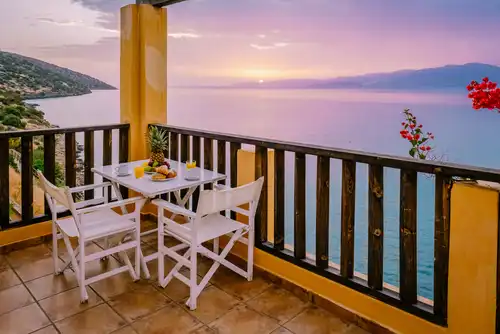
The biggest capital risk in Croatia's coastal property market is not the purchase price. It is buying before checking whether any part of the asset falls within the pomorsko dobro, the state-classified maritime public domain. A terrace, a pool deck, a mooring improvement, or even an access strip may sit on land that cannot be privately owned, sold, or insured, and that classification is not always clear from the title documents shown during a sale.
Maja carries out thorough title checks across both the land registry and the cadastre, and compare the asset's physical footprint against current maritime-zone classifications before any money changes hands. They confirm boundaries, identify encumbrances, and make sure your property purchase goes ahead on a properly verified legal basis.
Illegal Builds and Planning
Unauthorised extensions, unconverted annexes, and structures built without planning permission are common in Croatia's older coastal housing stock. Any asset with an unlegalized element faces real limits: it may not be possible to mortgage it, insure it in full, or resell it easily. The Zakon o postupanju s nezakonito izgrađenim zgradama sets a strict pre-2011 cut-off, so the first question is whether the structure can in fact be legalized before you commit to a purchase or an extension project.
Maja handles the full legalization process — checking eligibility, working with cadastre and planning authorities to fix record mismatches, and clearing title issues so the asset can be transferred and financed properly. She also deals with property title transfers where registry corrections must be completed before the transaction can finish cleanly.
Residency and Digital Nomads
Buying a property in Croatia and living in Croatia are two separate legal issues. Non-EU nationals — including British citizens dealing with the post-Brexit rules — need a clear and documented basis for lawful stay, and the right route depends on income source, employment status, and how long you plan to remain. A digital nomad visa, a self-employed residence permit, an EU residency certificate for EU nationals, and family reunification all come with different documents and processing times, and the differences are significant in practice.
Maja advises on the full range of Croatian residence options, from first eligibility checks through to citizenship routes. Krešimir supports applications, deals with refusal appeals, and handles renewals so your right to stay in Croatia remains secure.
Wills, Succession and Probate
Owning Croatian property without a locally valid will or a sensible cross-border succession plan can create a very avoidable problem. If you die without one, your Croatian assets may enter a court-run probate process that can delay transfers to your heirs for years, expose the estate to tax consequences in both Croatia and your home jurisdiction, and add legal costs that a properly drafted will could have avoided. EU Succession Regulation elections add another planning point that many foreign nationals miss until it is too late to deal with it efficiently.
Maja and Krešimir prepare Croatian wills, advise on the correct succession law election under EU rules, and deal with the full probate process — from inheritance claims to contested estate proceedings — so your assets pass to the right people without unnecessary court involvement.
Family Law and Divorce
International couples and families with members in different countries face specific procedural problems when a relationship breaks down in Croatia. Recognising a foreign divorce decree, enforcing a child support order made by a court in another jurisdiction, or establishing the lawful basis for a child to relocate across borders all require a lawyer who works confidently with both Croatian procedure and the relevant EU family law instruments.
Maja and Krešimir handle the full range of family matters: prenuptial agreements, contested divorce, child custody disputes, maintenance modifications, foreign divorce registration, and cases involving alleged domestic violence or restraining orders.
Criminal Defence and Extradition
A foreign national facing criminal allegations in Croatia — including fraud, drug offences, assault, smuggling, or extradition proceedings — is at a serious disadvantage without a lawyer who works fluently in Croatian criminal procedure and understands the cross-border rules that may apply. The same is true for victims. Without active representation in Croatian proceedings, your interests can easily be overlooked in a process you may not control or fully understand.
Maja and Krešimir provide criminal defence for clients who have been arrested or detained, advise on extradition proceedings, represent victims in criminal cases, and deal with the enforcement of foreign court judgments within the Croatian legal system.
If your priority is checking that your Croatian title is clean, securing a lawful basis for residency, or resolving a family or criminal matter, Maja and Krešimir are available to advise you directly and with no hidden fees.
To discuss your situation and get clear, straightforward advice on what needs to happen next, get in touch today.