

Did you know that - if you died tomorrow - your unmarried partner could pay a 60% French inheritance tax bill? For English-speaking property owners used to wider testamentary freedom, French succession rules can be a shock to they system. Unlike the UK or US, France taxes beneficiaries by relationship, not sentiment.
As independent legal advisors, we often see expats depend on the local Notaire to handle their estate. But a Notaire is a neutral representative of the French State, there to apply the law and collect tax, not reduce liability. For the broader official rules, use our main guide on French Inheritance tax as your reference point.
Want to hear what other clients
are saying about us?

1. Understanding Concubinage Inheritance Tax Under Article 777
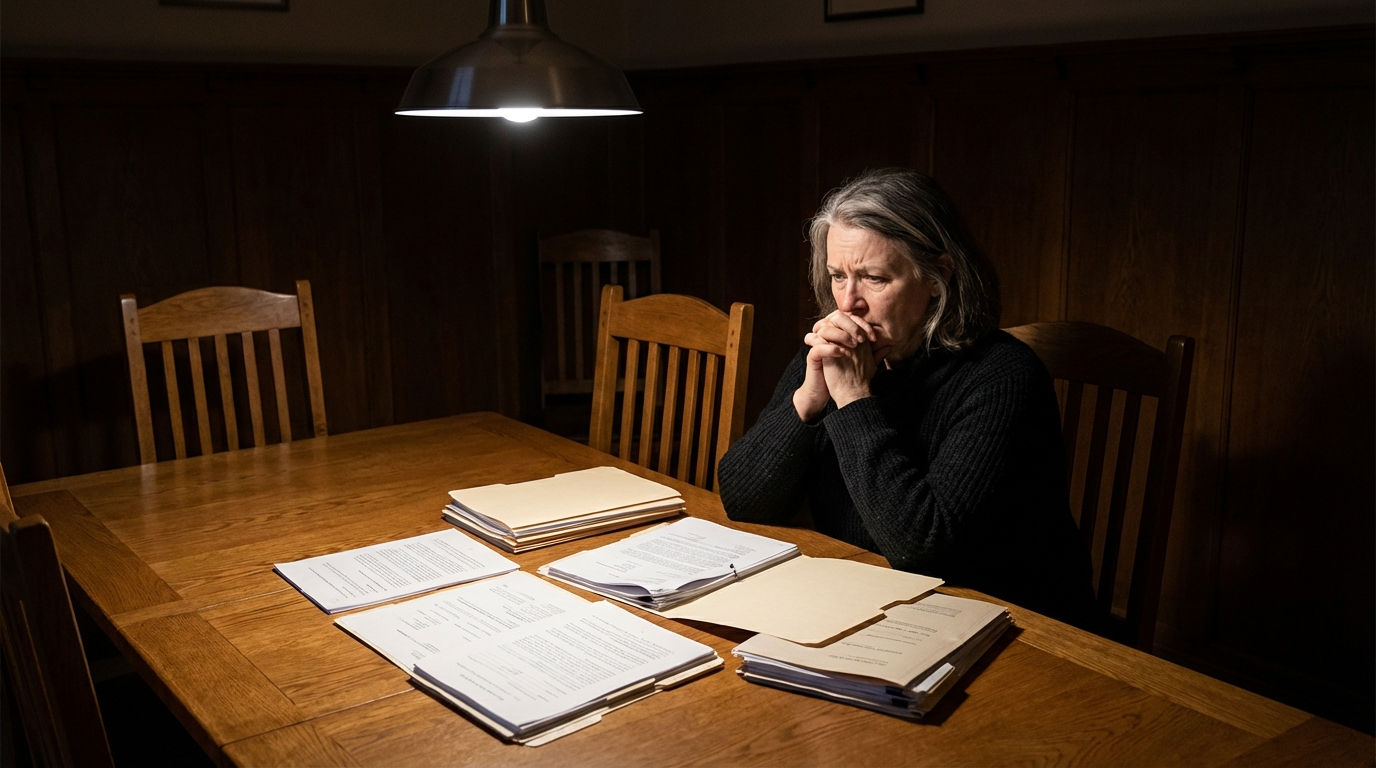
If you live together but are neither married nor in a registered civil partnership, French law treats you as being in concubinage. That status may help with day-to-day administration, but it gives no inheritance protection. For succession purposes, you are treated as legal strangers.
Under Article 777 of the French General Tax Code, assets passing to unrelated beneficiaries are hit by the highest tax bracket. Many expats believe joint bills, shared mortgages, or long-term cohabitation will soften the tax result. They will not. If there is no marriage or valid civil partnership, the surviving partner is taxed as an outsider.
⚠️ Legal Warning: Do not assume your UK or US relationship status automatically protects your partner in France. Under French law, long-term cohabiting partners are treated as unrelated persons for succession purposes, which can trigger a 60% tax rate on inherited assets unless you put the right legal steps in place.
What is the tax rate for a cohabiting partner without a PACS?
A cohabiting partner without a PACS is taxed as an unrelated beneficiary. After the tiny €1,594 allowance, the remaining inheritance is taxed at a flat 60%. In practical terms, that can turn a modest share of a French home into a very large tax bill.
2. Claiming the PACS Inheritance Tax Exemption via Article 796-0 bis
To escape the 60% charge, unmarried couples usually need to change legal status. In France, the most common route is the Pacte Civil de Solidarité (PACS).
Article 796-0 bis of the French General Tax Code gives a surviving PACS partner a full inheritance tax exemption. That exemption is the same one granted to married spouses, so the survivor can receive French assets without inheritance tax, whatever their value.
Does a UK Civil Partnership automatically qualify for French PACS tax exemptions?
Yes. A UK civil partnership is treated for French inheritance tax purposes like a PACS or marriage, so the surviving partner can receive the inheritance tax-free. You must still provide certified, translated proof to the Notaire so the status is accepted in the succession file.
To secure the exemption, your lawyer should help the Notaire collect the civil partnership certificate, a certified translation, and any supporting identity documents. You can also confirm filing details with the French tax administration before death, rather than waiting for the succession to begin.

3. Protection of the Family Home PACS Under Article 763
Under Article 763 of the French Civil Code, the surviving PACS partner may stay in the family home rent-free for one year after death, but the succession still has to be filed on Form 2705 within six months of death, or 12 months if the deceased died outside France.
A PACS removes the tax problem, but it does not make your partner an automatic heir. If you die without a will, French forced heirship rules still send most or all of the estate to children or blood relatives.
Article 763 gives only a temporary safety net: the surviving PACS partner may remain in the shared home rent-free for 12 months. After that period, if the heirs want the property sold or recovered, the partner may have to leave unless other documents give stronger rights.
Why does my Notaire say my partner has no right to stay in our home?
Because a PACS removes tax on transfer, but it does not give your partner automatic ownership rights. If you die without a will, children or blood relatives may inherit first. A will, usufruct, or other succession clause is needed if you want them protected longer.
If you want stronger surviving partner rights in France, you need written succession planning. We help clients use wills, usufruct arrangements, and beneficiary clauses so the PACS partner receives the property, or at least the right to use it for life. The PACS removes tax; the will moves the asset.
4. Filing Form Cerfa 2705 Within the 6-Month Deadline
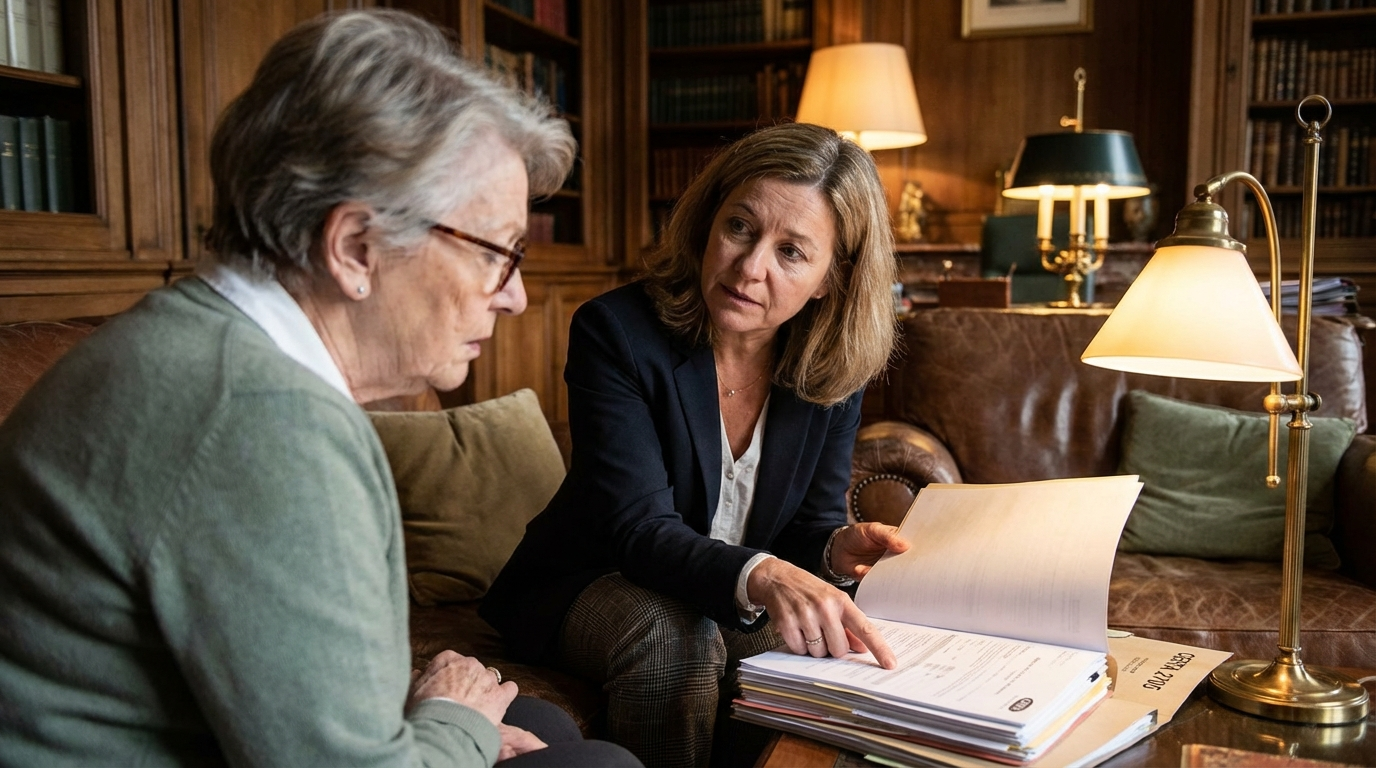
French estate administration works to strict dates. Once a partner dies, the heirs and beneficiaries generally have 6 months to file the Déclaration de succession on Form Cerfa 2705 and pay any tax due. If the deceased lived outside France, the deadline is 12 months.
Missing that filing window brings penalties and interest. If your estate also involves cross-border succession planning, your lawyer may need to manage Brussels IV succession rules alongside French tax filings, so the Notaire receives the right documents on time and the PACS status is recognised correctly.
Case Scenario: The Unprotected Villa
Consider John and Sarah, a British couple who lived in their French holiday home for 15 years without marrying or entering a civil partnership. John died suddenly. Because his UK will left everything to Sarah, the property passed to her in law.
But because they lacked a PACS, French tax treated Sarah as an unrelated beneficiary. She inherited John's €300,000 share of the home and received a 60% tax bill of about €179,000. With no cash reserve, she had to sell the family home. With a PACS and coordinated wills, the tax bill would have been €0.
Want to hear what other clients
are saying about us?

5. Final Thoughts
French inheritance tax is unforgiving for unmarried couples, but the solution is usually simple: formalise the relationship, protect the home with a will, and file the estate within the legal deadline. A PACS can remove the tax charge, but it does not replace proper succession planning.
For UK and US owners of French property, the safest route is to act before death, not after. Work with an English-speaking lawyer who can act as liaison with the Notaire, confirm the documents, and keep the estate plan aligned with French law and your home-country position.