

Those who manage to get their affairs properly reviewed by experienced lawyers in Córdoba before signing anything — rather than after a problem appears — consistently complete cleaner transactions, secure stronger residency status, and leave better-protected estates.
The difficulty is that Córdoba's administrative system is unusually specific: heritage compliance duties on historic-centre properties, strict deadlines for offshore asset reporting under Modelo 720 and Modelo 721, and a residency system reshaped by the closure of Spain's real-estate Golden Visa route in April 2025 all create real risk for foreign residents and business owners who assume the usual procedures apply.
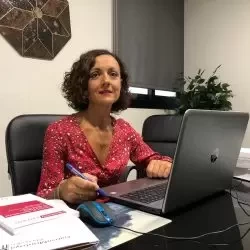
Ángela, a qualified lawyer in Córdoba working through Advocate Abroad, advises clients with cross-border affairs across all of these areas — with straightforward fees agreed upfront and advice given in clear, direct terms. The result is that your plans are based on solid advice, with no unwelcome surprises waiting after a contract is signed or an application is filed.
Tax and Residency Issues in Córdoba
Foreign residents and non-resident owners in Córdoba face administrative duties that are easy to underestimate, especially when income, assets, and family ties are spread across more than one country. The most common and expensive mistakes usually gather around a few specific pressure points:
- Modelo 720 and Modelo 721 deadlines: Foreign asset holders and cryptocurrency owners above prescribed thresholds must file accurate declarations within strict annual windows. Automatic penalties apply for late or incomplete submissions, regardless of whether any tax is actually owed.
- Impuesto Temporal de Solidaridad de las Grandes Fortunas: Wealth above the national threshold triggers this temporary solidarity levy even where Andalusia's own Impuesto sobre el Patrimonio bonification applies — a distinction that catches many high-net-worth foreign residents by surprise.
- Heritage compliance on historic-centre purchases: Properties within Córdoba's protected perimeter are governed by the Plan Especial de Protección del Conjunto Histórico de Córdoba and Andalusia's Ley 14/2007 de Patrimonio Histórico. Undisclosed prior works or unapproved changes of use become the new buyer's liability as soon as contracts are signed.
- Golden Visa closure and Extranjería bottlenecks: Spain's real-estate Golden Visa route closed in April 2025. Choosing the wrong alternative pathway, or submitting an application with incomplete source-of-funds documentation, can lead to outright refusal or a gap in lawful status that harms future applications.
- IRNR obligations for non-resident property owners: Non-residents with Spanish property or rental income face mandatory income tax filings, and those who sell must manage the 3% retention reclaim process within prescribed timeframes.
These issues are tied to Córdoba's administrative system and the wider Andalusian framework. Each one needs a lawyer with direct local knowledge to sort it out properly the first time.
Title Checks for Historic-Centre Property
Buying a restored townhouse or period property within Córdoba's protected historic perimeter is different from buying elsewhere in Spain.
Under the Plan Especial de Protección del Conjunto Histórico and Ley 14/2007 de Patrimonio Histórico de Andalucía, any undisclosed earlier renovation, unauthorised structural alteration, or change of use that took place before you signed becomes your liability once the escritura is completed. The land registry entry will not show all of these problems. Only a focused pre-purchase audit that cross-checks heritage classification records and urban planning files will bring them to light in time to act.
Ángela carries out thorough due diligence through land registry searches, heritage classification checks, and Ayuntamiento planning records before any contracts are exchanged. She then handles the full conveyancing process through to title transfer and deals with post-completion property tax obligations in Andalucía, including the non-resident 3% retention reclaim for overseas buyers.
Residency After the Golden Visa
With the real-estate Golden Visa route closed since April 2025, non-EU applicants seeking residency in Córdoba now have fewer options to choose from, and SEPBLAC source-of-funds checks have become much stricter. If you submit an incomplete application, choose a route that does not fit your income structure, or miss a document at the Extranjería, you may face outright refusal or a gap in status that affects every later renewal or citizenship application.
Ángela advises on the full range of workable routes — the Non-Lucrative Visa, Digital Nomad Visa, Self-Employed Visa, Family Reunification, EU Residency Certificates, and regularisation pathways — and handles the process from initial document preparation through to renewals, refusal appeals, and long-term citizenship applications. Every application is prepared around your income structure and personal circumstances, with costs agreed upfront before any work begins.
Wills and Succession Planning
Foreign nationals who own assets in Spain without a properly drafted Spanish Will can leave their heirs in a very difficult position. Default Spanish succession rules may conflict directly with the wishes set out in a home-country will, and inheritance tax exposure on a tight probate timetable — particularly under Andalucía's specific rules — can be significant. A Spanish Will drafted to reflect your international family structure is one of the simplest protections available, and one of the most often put off.
Ángela drafts Spanish wills tailored to each client's family composition and asset spread, advises on lifetime gifting strategies where they reduce future tax exposure, and handles the full probate process including court judgments and registry modifications. For families dealing with the death of a loved one who held Spanish assets, she manages everything from the first notification through to final estate distribution.
You can read more about inheritance tax in Andalucía and how the regional rules apply to your estate, or review the broader framework covering Wills in Spain before your consultation.
Non-Resident Tax Reporting
Non-resident property owners and foreign nationals with Spanish income face mandatory IRNR filings each year. Those holding offshore assets or cryptocurrency above prescribed thresholds are also legally required to report under Modelo 720 and Modelo 721. Penalties for late or incomplete submissions are automatic and severe, even where no underlying tax is actually owed. Many clients only discover these duties after a deadline has already passed.
Ángela advises on the full scope of your Spanish tax duties as a non-resident or cross-border owner, handles IRNR filings and the 3% retention reclaim on property sales, and makes sure that Modelo 720 and Modelo 721 submissions are accurate and filed on time. For a broader overview of how Modelo 720 reporting works and what triggers the obligation, the linked guide explains the key thresholds and submission rules in clear terms.
Business Contracts and Debt Recovery
Commercial leases and employment contracts in Spain contain mandatory clauses and termination procedures that work very differently from common-law equivalents. A lease signed without proper legal review can tie a business to terms that are hard to get out of. An employment contract that leaves out required provisions can expose an owner to dismissal claims with serious financial consequences. The gap between what a contract seems to say and what it actually requires under Spanish employment law is often wider than people expect.
Ángela reviews, drafts, and negotiates employment contracts, commercial lettings, non-disclosure agreements, and general commercial agreements for business owners operating in Córdoba. She also deals with dismissal disputes, contractual disputes, and debt recovery from non-paying business customers when obligations are not met. If you are setting up a business structure in Spain for the first time, the guide to starting a business in Spain explains the key decisions around entity type and registration requirements.
Family Law and Civil Status
For families dividing their lives between two countries, administrative issues around relationship status, separation, and civil document registration in Spain can affect much more than paperwork. They can directly affect NIE registration, access to the public health system, and school enrolment for children. Marriage certificates issued abroad, pareja de hecho registrations, and foreign divorce decrees all need specific legalisation and registration steps before Spanish authorities will recognise them.
Ángela helps with marriage and pareja de hecho registration, divorce proceedings in Spain, residency rights following separation, birth and death certificate applications, and the full range of civil status document procedures. For families where a separation also involves property held in Spain, she advises on how assets are treated under Spanish family law and makes sure that child custody arrangements are properly formalised and enforceable.
If your situation in Córdoba involves any of the areas covered above — from early planning to an issue that already needs attention — get in touch today to discuss your circumstances directly with Ángela and find out exactly what steps are needed to protect your position.